
Negroni Week 2026: One Week, One Perfect Pour, and Why It Matters
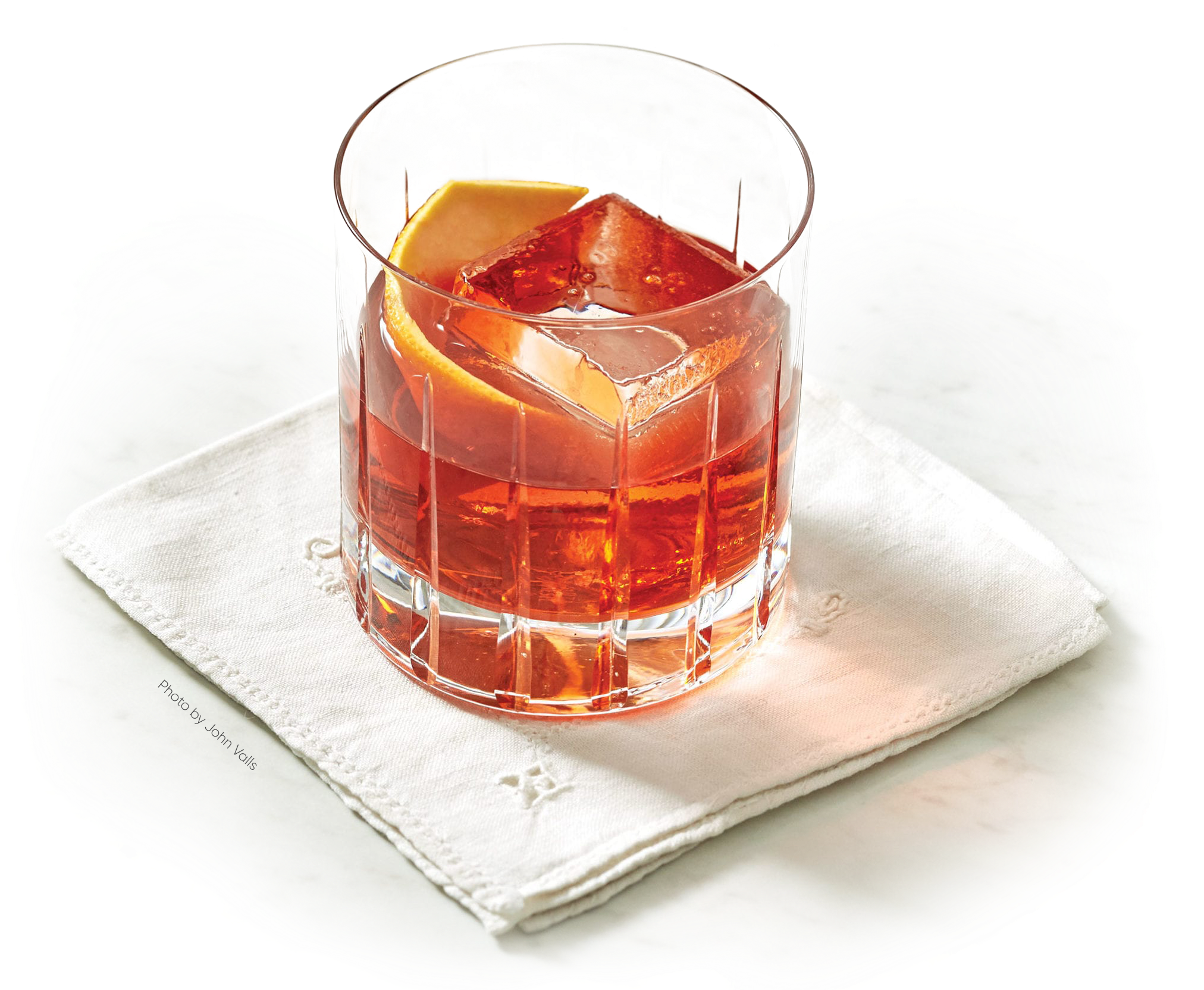
I’ve learned that the best cocktail celebrations aren’t really about the cocktail, they’re about what happens when craft, community, and a good cause share the same glass.
From September 21–27, 2026, bars and restaurants around the world will raise a rocks glass to the Negroni during Negroni Week.
You’ll find classic Negronis. You’ll find ambitious riffs. You’ll find drinks that should probably never have been called a Negroni in the first place.
That’s part of the fun.
But here’s the thing: Negroni Week is more than a global excuse to drink something bitter, bright, and beautifully orange. It’s a charitable initiative supporting Slow Food and its work toward a more sustainable and equitable food and beverage system.
So yes: order the drink.
Pay attention to the details, too.
Why Bartenders Love Negroni Week
The Negroni is a remarkably simple cocktail: equal parts gin, Campari, and sweet vermouth.
Three ingredients. One glass. No place to hide.
That simplicity is exactly what makes it such a compelling drink for bartenders. There’s no citrus juice to distract from poor balance. No elaborate garnish to cover a flat finish. No blender noise to interrupt the conversation.
The recipe is exposed.
When the gin is too aggressive, you notice. When the vermouth is tired, you notice. When the dilution is off, you notice. When the bartender takes the time to stir it properly over ice and expresses a fresh orange peel across the surface, you notice that, too.
The Negroni rewards precision.
It also rewards interpretation. During Negroni Week, each participating venue can serve the classic or create its own variation. That means one bar might lean into a more botanical gin, while another might use a richer vermouth, a different bitter aperitivo, or a completely new base spirit.
The structure remains familiar: but the personality changes.

The Classic Is the Starting Point: not the Finish Line
Before you judge a riff, you need to understand what the original is doing.
A classic Negroni brings together:
- Gin for botanical lift and structure
- Campari for bitterness, citrus, and herbal depth
- Sweet vermouth for sweetness, spice, and texture
Stir those ingredients with ice, strain over fresh ice, and finish with an orange peel. That’s the blueprint.
But a blueprint isn’t a building.
The best riffs respect the cocktail’s internal logic while giving it a new point of view. The Kingston Negroni, for example, uses Jamaican rum in place of gin, creating a richer, more expressive drink without abandoning the bitter-sweet backbone.
A Coffee Negroni pushes in another direction, adding roasted depth and an almost dessert-like edge. An Americano takes the familiar Campari-and-vermouth combination, lengthens it with soda, and turns the experience into something lighter and more sessionable.
Different drinks. Related family.
That’s what makes a riff work.
A Great Riff vs. a Gimmick
Ever been handed a cocktail with a dramatic name, a smoking glass, three garnishes, and an ingredient list that reads like a scavenger hunt?
Then you taste it: and there’s no center.
That’s a gimmick.
A strong Negroni riff should answer one simple question: What are you trying to reveal?
Maybe you want to make the drink brighter. More tropical. More savory. More approachable. More spirit-forward. The choice is yours, but the idea needs to be clear.
When I evaluate a riff, I’m looking for a few things:
1. The bitter-sweet balance is still present
The drink doesn’t need to taste exactly like a classic Negroni, but it should retain some tension between bitterness, sweetness, and spirit.
If all you taste is sugar, the cocktail has lost its discipline.
2. The substitution has a reason
Replacing gin with rum, tequila, mezcal, or whiskey can be exciting: but only if the new spirit contributes something meaningful.
A great substitution changes the conversation. It doesn’t simply change the label.
3. The texture supports the concept
A Negroni is usually stirred and silky. If you introduce carbonation, coffee, fruit, or a creamier element, the mouthfeel should feel intentional: not accidental.
Texture is part of the architecture.
4. The garnish belongs there
An orange peel works because it reinforces the drink’s citrus and aromatic character. A coffee bean, expressed grapefruit peel, or savory garnish can do the same when the concept calls for it.
But a garnish should invite the first sip: not demand a photoshoot.
If the decoration is more memorable than the drink, something has gone wrong.

Why Supporting Slow Food Matters
The hospitality industry depends on an enormous network of people and resources.
Farmers grow the ingredients. Producers make the spirits and vermouth. Distributors move them. Bartenders transform them. Servers create the human connection that makes the experience memorable.
A cocktail may arrive in your hand in thirty seconds, but it represents far more than thirty seconds of work.
Slow Food’s mission focuses on food and beverage that are good for people, good for the producers who make them, and good for the planet. Its work includes protecting cultural and biological diversity, supporting food education, preserving traditional knowledge, and advocating for more equitable systems.
That matters to the bar community because craft does not exist in isolation.
You can obsess over a perfect stir while ignoring the people and systems behind your ingredients. Or you can recognize that quality includes responsibility.
Negroni Week gives the industry a way to make that connection visible.
Since its launch by Imbibe Magazine in 2013, the initiative has grown from roughly 120 venues to thousands around the world and has raised more than $5 million for charitable causes, according to the official Negroni Week history.
That is a remarkable result: but it starts with something wonderfully ordinary: a guest ordering a drink.
How to Join Negroni Week 2026
You don’t need to be a bartender to participate.
You can:
Find a participating venue.
Use the official Negroni Week venue finder to search by city, state, country, or postal code.Order the classic.
Ask for equal parts gin, Campari, and sweet vermouth, stirred over ice and garnished with orange.Try a riff.
Ask the bartender what they created for the week: and why. The answer will often tell you more than the menu description.Taste with curiosity.
Notice the bitterness first. Then the sweetness. Then the way the spirit and aromatics develop as the ice opens the drink.Support the venue.
Bring a friend, stay for another round, and remember that independent bars rely on guests who value the work behind the experience.
One important detail: if you’re a bar or restaurant hoping to appear as an official participating venue, the Negroni Week FAQ states that registration must be completed by Friday, September 18, 2026, at noon Pacific Time. That includes the required upfront donation of at least $25 to Slow Food.
Participating venues do not simply have to donate a percentage of every Negroni sale. The official registration process begins with that contribution, and venues can choose to give more.
For consumers, the most direct way to help is to patronize participating bars and restaurants.
The Perfect Pour Is About More Than Technique
Behind the stick, the best part of Negroni Week is watching people slow down.
They ask questions. They compare recipes. They discover that bitter doesn’t have to mean harsh. They realize that a cocktail with only three ingredients can still have remarkable depth.
That kind of curiosity is good for the craft.
It’s also the same reason I approach custom cocktail design as more than a recipe exercise. Whether I’m creating a drink for a corporate gathering, a product launch, a wedding, or a milestone celebration, the goal is not to add complexity for its own sake.
The goal is to make every element matter.
The glass. The garnish. The dilution. The story. The way the drink performs when it needs to be served once: or hundreds of times.
That’s where the discipline of the bar meets the strategy of a great event. I explore more of that thinking in Behind the Shaker, and it’s central to the work we do at The Cocktail Craftsman.
One Week. One Classic. A Bigger Conversation.
During Negroni Week 2026, you’ll have seven days to find your favorite version.
Maybe it will be the classic: cold, bitter, orange-scented, and perfectly balanced.
Maybe it will be a rum variation with dark fruit and Jamaican funk. Maybe it will be a coffee-driven riff. Maybe it will be something entirely unexpected that still manages to feel inevitable in the glass.
That’s the test.
A great Negroni riff doesn’t erase the original. It helps you understand it better.
So find a participating bar. Order with intention. Ask what makes the drink different. And raise your glass to the farmers, producers, bartenders, servers, and advocates working toward a better beverage culture.
The perfect pour matters.
What supports it matters more.
Cheers,
Mark Frietch
Owner and Cocktail Creative Director, The Cocktail Craftsman
This is Proof & Paper: the place where we look a little more closely at the craft, strategy, and stories behind exceptional cocktails.